
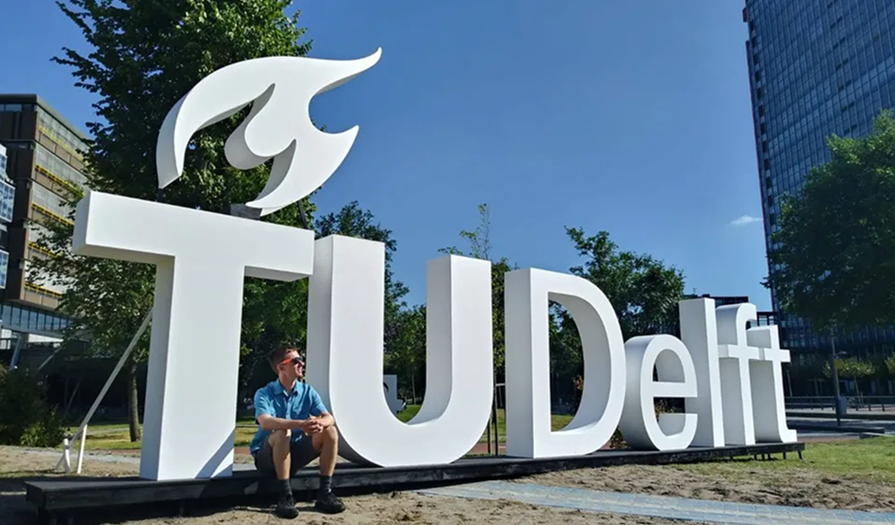
Founded in 1842, TU Delft has a long-standing tradition of combining world-class research with high-impact education and industrial innovation.
With over 25,000 students and 3,000 academic staff, TU Delft is internationally recognised for its excellence in fields such as micro- and nanoelectronics, photonics, quantum technology, artificial intelligence, energy systems and advanced materials. The university plays a central role in the European high-tech ecosystem and maintains close strategic partnerships with global industry leaders, including major semiconductor and technology companies.
TU Delft is a key hub within the European semiconductor landscape. Its research spans the full value chain — from fundamental physics and device engineering to lithography, chip design, advanced manufacturing and system integration. Through flagship initiatives such as Quantum Delft, TU Delft AI Labs and its strong involvement in the Dutch and European semiconductor programmes, the university contributes directly to the future of critical technologies.
Located in the historic city of Delft, close to The Hague and Rotterdam, TU Delft combines an international academic environment with strong links to government, industry and innovation networks. The university is consistently ranked among the world’s top engineering and technology universities and is widely regarded as a gateway between scientific discovery and industrial application.
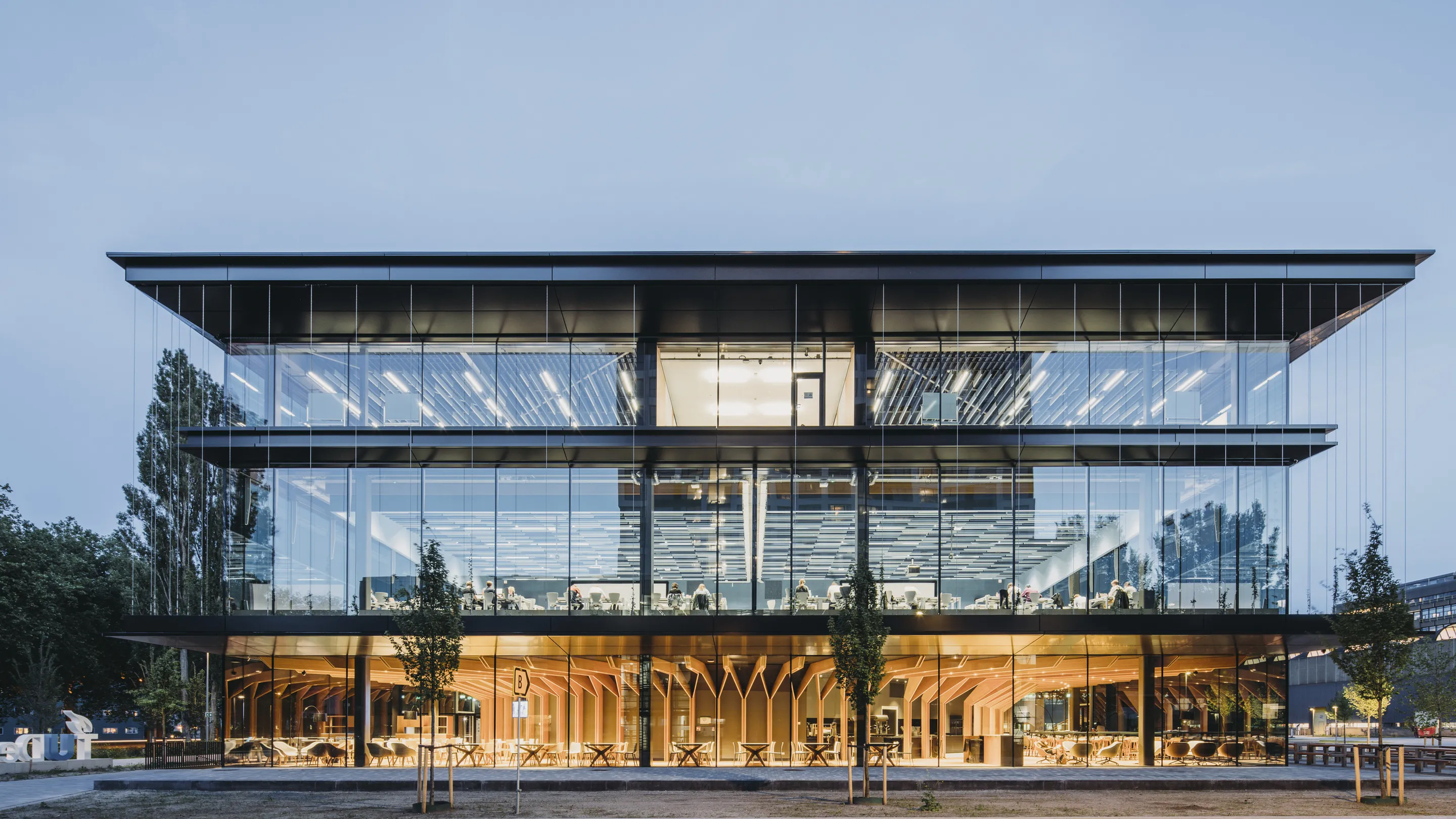
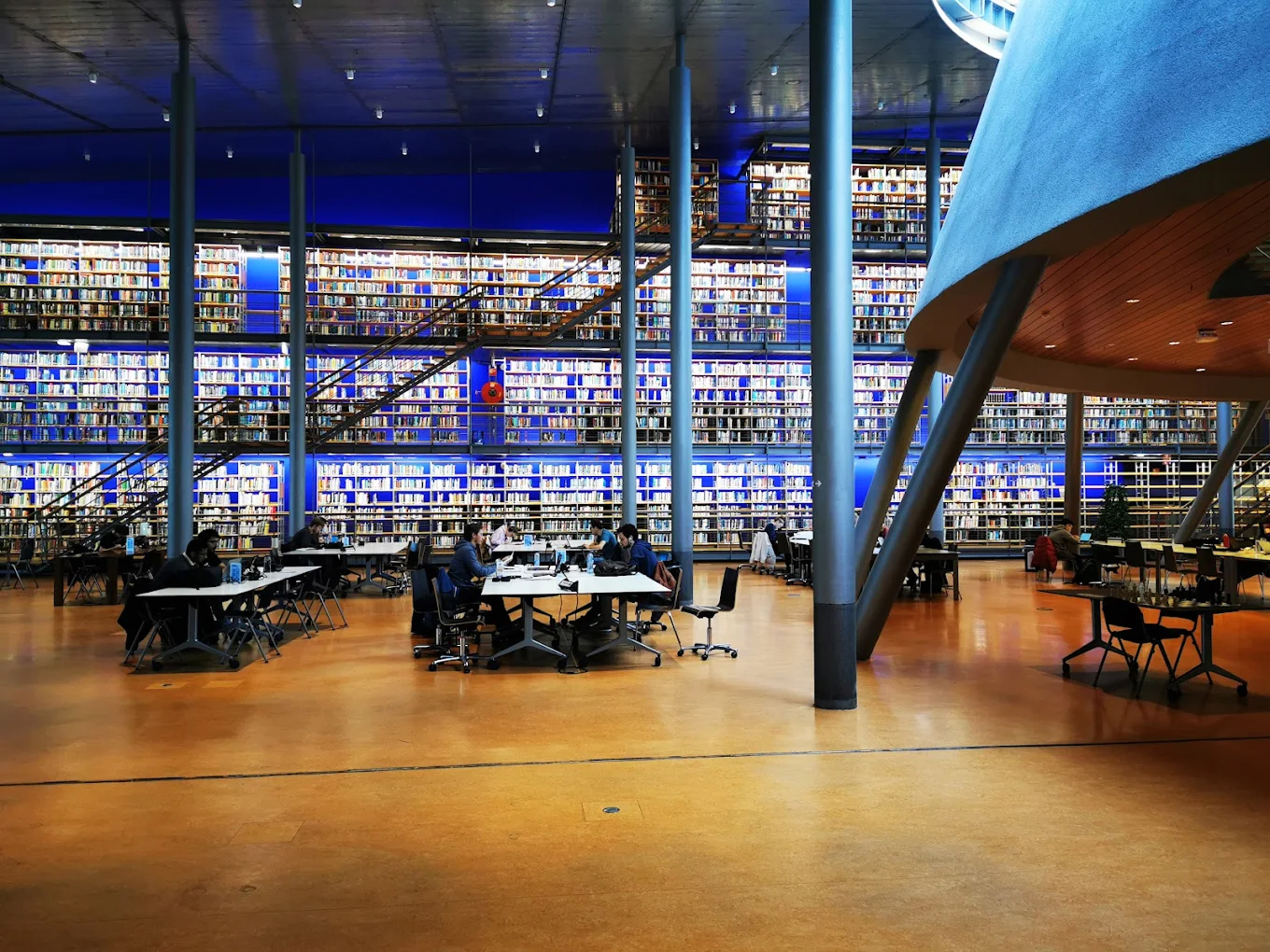
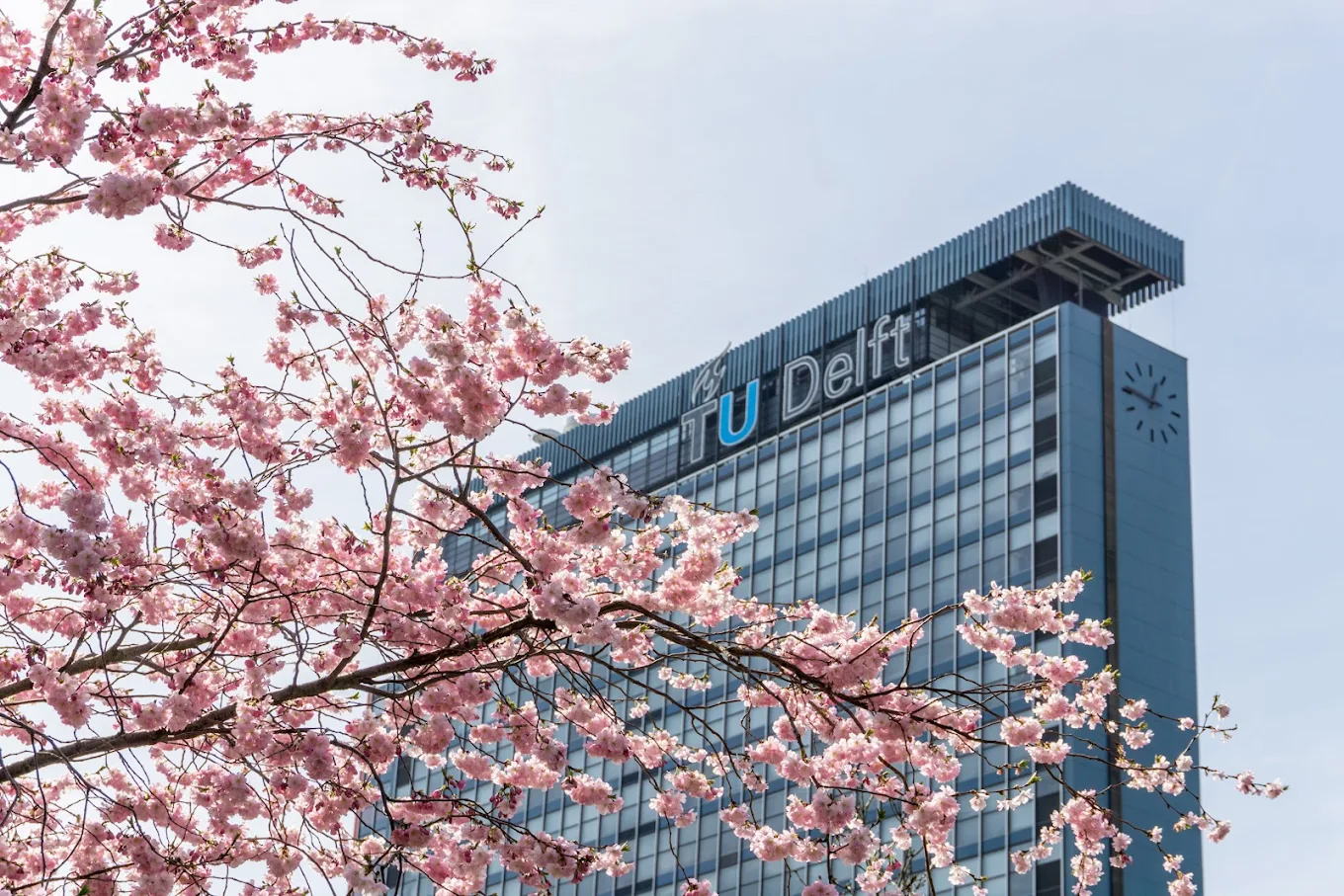
Fun Facts about TU Delft
TU Delft is the oldest and largest technical university in the Netherlands, founded in 1842 — older than most semiconductor companies by more than a century.
Over 25,000 students from more than 100 countries study and work at TU Delft, making it one of Europe’s most international engineering campuses.
TU Delft is one of the global leaders in quantum technology. Its researchers helped build some of the world’s first quantum internet nodes.
ASML, the world’s leading lithography company, has deep roots at TU Delft — many of its engineers, physicists and system architects are TU Delft alumni.
TU Delft researchers contributed to the development of extreme ultraviolet (EUV) lithography, the technology that makes today’s most advanced computer chips possible.
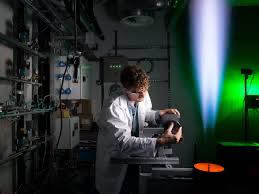
The university operates its own cleanrooms and nano-fabrication facilities, where chips and MEMS devices are actually fabricated, just like in industry.
TU Delft engineers designed parts of the Dutch storm surge barriers that protect the country from flooding — some of the most complex mechanical systems ever built.
The fastest solar-powered car in the world was designed and built by TU Delft students (the Nuna solar cars).
TU Delft students also build hydrogen-powered race cars, drones, satellites and quantum devices as part of their study programmes.
Delft is small, but its university has produced entrepreneurs, inventors and engineers whose technologies are used all over the world — from microchips to offshore wind farms.
Inventions from Delft
Delft is the birthplace of Wi‑Fi: Vic Hayes, a researcher at TU Delft, is widely known as the “Father of Wi‑Fi.” He played a key role in developing the global standard that now keeps the world connected.
The first person to see bacteria lived in Delft: Antoni van Leeuwenhoek built microscopes that magnified up to 200× — a huge leap from the 20× limit of his time. With them, he became the first human ever to observe bacteria.
Delft students built one of the world’s fastest solar cars: TU Delft’s Nuna team dominates the Solar Challenge, regularly finishing first in this prestigious solar‑powered car race.
A Delft student launched a global ocean‑cleanup movement: At just 19, Boyan Slat founded The Ocean Cleanup, designing floating barriers that collect plastic from the sea. His idea grew into a major international project supported by researchers and volunteers.
Delft designed the world’s first ambulance drone: TU Delft graduate Alec Momont created a drone capable of delivering a defibrillator within minutes. With a full network of these drones, survival rates in cardiac emergencies could rise dramatically.